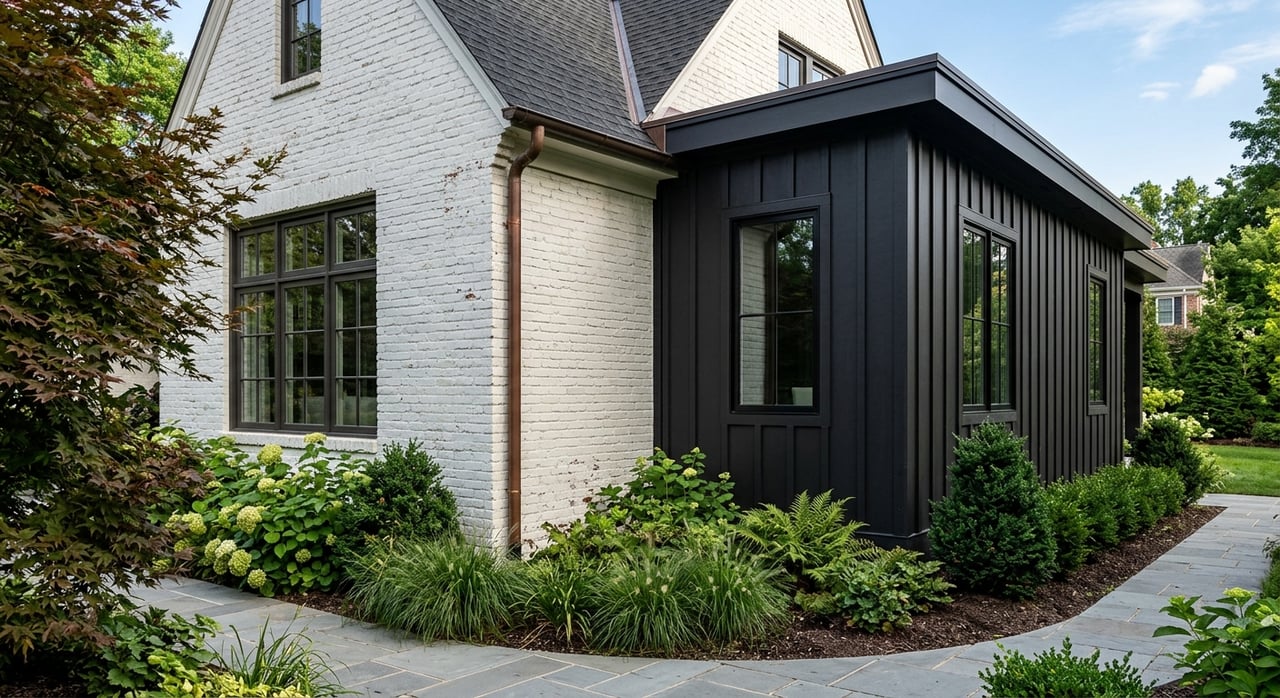
If you are deciding between an older home and a newer one in Worthington, you are asking one of the smartest questions in this market. Worthington offers a lot to love, but the right choice often comes down to how you want to live, what kind of upkeep you can handle, and what matters most to you long term. This guide will help you compare character, maintenance, efficiency, resale, and location so you can move forward with more confidence. Let’s dive in.
Why this choice matters in Worthington
Worthington is not a market where older and newer homes show up in equal numbers. The city was founded in 1803, and its historic core still centers around the Village Green and downtown street pattern. According to the city’s 2024 housing needs assessment, the median year built is 1964, 37% of housing was built before 1950, and only 5% was built in 2000 or later.
That age profile shapes your home search right away. In practical terms, many buyers in Worthington are not comparing two similar homes with different build dates. They are often comparing location and charm against systems and predictability.
Worthington is also a high-demand market. As of May 2026, Redfin reports a median sale price of $504,698, 26 median days on market, and a 103.6% sale-to-list ratio, while Zillow reports an average home value of $494,591 and homes going pending in about 2 days. That means you may need to make a clear decision on your priorities before the right home appears.
What older homes offer
Older homes in Worthington often appeal to buyers who care about established streetscapes, central location, and architectural character. In a built-out suburb like Worthington, those features can be hard to recreate in newer construction. For many buyers, that sense of place is a major part of the value.
The city’s housing research also shows that local amenities, schools, housing price, cost of living, desired housing type, and municipal services rank among the most important housing considerations. That helps explain why older homes in well-established parts of Worthington continue to attract strong interest.
Character and location
An older home may give you details that many buyers find hard to replace. That could mean mature trees, established lot patterns, original design elements, or a location close to historic downtown areas. If you care most about living in the heart of Worthington, older housing stock will likely make up much of your search.
In places like Old Worthington, the appeal is often bigger than the house alone. You are also buying into a setting with long-standing architectural fabric and a distinct streetscape.
Update needs and maintenance
The tradeoff is that older homes often need more attention. Insulation, air sealing, windows, heating and cooling systems, electrical components, plumbing, or roofing may be older or may have been updated in phases over time. That does not make an older home a bad choice, but it does mean you should look carefully at condition and improvement history.
The U.S. Department of Energy notes that many older homes have less insulation than homes built today. It also recommends a home energy assessment to identify opportunities for insulation and air sealing. Simple improvements like caulk and weatherstripping can reduce air leakage, and low-e storm windows may cut heating and cooling costs by 12% to 33%, depending on the existing window setup.
DOE also advises homeowners to weatherize before replacing heating systems, especially in older homes. That whole-house approach matters because one expensive system upgrade does not always solve comfort or efficiency issues by itself.
Historic district rules to know
If you are considering a home in Old Worthington, exterior changes may involve local review. The city’s Architectural Review Board hears requests for exterior changes in the Architectural Review District. According to the city’s design guidelines, demolition or removal generally requires a certificate of appropriateness, while ordinary repair and maintenance are exempt.
The guidelines also place preservation of character ahead of efficiency decisions in some cases. They strongly discourage visible solar placements that would alter district character. If you love historic homes, that may be a worthwhile tradeoff, but it is important to understand it before you buy.
What newer homes offer
Newer homes tend to appeal to buyers who want easier budgeting, more predictable maintenance, and stronger energy performance from day one. If you would rather spend your first few years enjoying the home than planning major projects, a newer property may feel simpler.
In general, newer homes are less likely to bring immediate work related to roofing, insulation, electrical systems, plumbing, or HVAC. That can be especially attractive if you are relocating, buying your first home, or balancing a move with a busy schedule.
Efficiency and comfort
The biggest practical advantage of a newer home is often efficiency. DOE says a certified DOE Efficient New Home is built to rigorous standards for energy savings, comfort, health, and durability, with third-party verification. ENERGY STAR says certified new homes include quality-installed insulation, high-performance windows, a well-sealed envelope, and high-efficiency heating and cooling.
ENERGY STAR also states that certified new homes are at least 10% more efficient than homes built to minimum code. Studies cited by ENERGY STAR show resale premiums up to 8% for ENERGY STAR certified and similarly efficient homes. While every property is different, those features can matter if lower operating costs are high on your list.
Limited supply in Worthington proper
The challenge is availability. Worthington’s housing study shows that only 5% of the city’s housing stock was built in 2000 or later. So if you strongly prefer newer construction, you may need to expand your search beyond the oldest Worthington corridors or compare options in nearby neighborhoods and adjacent communities.
That does not mean you cannot find a newer-feeling home in Worthington. Some resale homes may have been updated so thoroughly that they function more like newer homes, even if the original build date is much older.
How to compare older and newer homes
The best decision usually comes down to matching the home to your lifestyle. In Worthington, age alone is rarely the full story. A well-updated older home may fit you better than a newer home in a less preferred location, while a newer home may be the better move if you want fewer unknowns.
Here is a simple way to frame the comparison.
| Factor | Older Worthington Home | Newer Home |
|---|---|---|
| Location | Often in established, central areas | May require a broader search area |
| Character | More likely to offer historic or original details | More likely to feel current and turnkey |
| Maintenance | May require more near-term updates | Often fewer immediate system concerns |
| Efficiency | Can improve with thoughtful updates | Typically stronger from the start |
| Local rules | May include review requirements in historic areas | Usually fewer preservation-related limits |
| Budgeting | Repairs may be less predictable | Costs may be easier to forecast |
Think about your maintenance tolerance
One of the most important questions is how much home project management you want to take on. Some buyers enjoy improving a home over time. Others want a home that feels more finished and predictable from the start.
Neither approach is better. The right fit depends on your time, budget, patience, and comfort level with future projects.
If you are leaning toward an older home, ask yourself:
- Are you comfortable planning updates over time?
- Do you value location and character enough to accept more upkeep?
- Would you be okay working within historic district guidelines if they apply?
- Can you budget for repairs that may not show up all at once?
If you are leaning toward a newer home, ask yourself:
- Do you want fewer repair surprises in the first few years?
- Is energy efficiency a major priority?
- Are you open to looking beyond the oldest parts of Worthington?
- Would a more turnkey home help your move feel easier?
Resale in a competitive Worthington market
In Worthington, resale value is not driven by age alone. Current market data shows homes moving quickly, and local buyer priorities point to a broader mix of decision factors, including amenities, schools, safety, housing price, cost of living, and housing type. That means buyers often evaluate the full package rather than just the year built.
A well-located older home that has been updated in the right areas can compete very well. A newer home can also stand out if buyers are focused on lower operating costs and fewer near-term repairs. In other words, condition, location, and fit often matter more than simply old versus new.
A smart way to choose
If you love Worthington for its history, established feel, and central neighborhoods, an older home may be the better emotional and lifestyle match. If you want lower maintenance, stronger efficiency, and easier budgeting, a newer home may make daily life simpler. In this market, the best choice is usually the one that aligns with your timeline, your tolerance for updates, and the way you want to live.
That is where clear, resale-minded guidance can make a real difference. If you want help weighing tradeoffs, comparing specific homes, or building a search strategy around your priorities, Margot Laumann would be glad to help.
FAQs
What is the housing age profile in Worthington, Ohio?
- Worthington’s 2024 housing needs assessment shows a median year built of 1964, with 37% of housing built before 1950 and only 5% built in 2000 or later.
Are older homes common in Worthington?
- Yes. Worthington is an older, largely built-out suburb, so older homes make up a significant share of the local housing stock.
Are newer homes hard to find in Worthington?
- They can be. Because only 5% of Worthington housing was built in 2000 or later, buyers who want newer homes may need to widen their search area.
What should buyers watch for in older Worthington homes?
- Buyers should pay close attention to insulation, air sealing, windows, heating and cooling systems, and the overall history of updates and maintenance.
Do historic district rules affect homes in Old Worthington?
- Yes. In the Architectural Review District, some exterior changes require review by the city’s Architectural Review Board, while ordinary repair and maintenance are generally exempt.
Is an older or newer home better for resale in Worthington?
- Neither is automatically better. In Worthington, resale strength often depends more on location, condition, updates, efficiency, and buyer priorities than on age alone.
