Are you drawn to Bexley’s older homes but unsure how their charm fits modern daily life? That is a common question, especially when you love original architecture but still want practical spaces, updated systems, and a clear path for future projects. If you are considering a character home in Bexley, this guide will help you understand what you are likely to find, what to look closely at, and how to balance historic appeal with modern livability. Let’s dive in.
Why Bexley homes feel so distinctive
Bexley’s identity is closely tied to its history as a first-ring suburb with neighborhoods largely developed in the early 20th century. The city was incorporated in 1908 from the Bullitt Park and Pleasant Ridge neighborhoods, and much of its housing stock still reflects that prewar pattern.
That history matters because it shapes the experience of buying here. When you walk Bexley streets today, you are often seeing homes from an era when architecture, lot patterns, and daily living looked different than they do in newer suburbs. The result is a housing stock that feels established, layered, and visually varied.
The city and local historical sources point to a major wave of residential development between 1910 and 1930. That helps explain why so many homes carry strong architectural identity rather than a more uniform, builder-grade look.
What styles you may see in Bexley
One of Bexley’s biggest draws is architectural variety. City design materials describe the area as an architectural treasure, with styles that include Tudor, French, classical revival, cottage style, and later Cape Cod homes.
Local history sources broaden the list even more. As you shop, you may also come across Colonial Revival, Georgian, Dutch Colonial, Arts & Crafts, European Revival, American Four-Square, light French, English, Spanish Mission, and French-Normandy influences.
In some pockets, you may also notice homes with Frank Lloyd Wright inspiration, particularly in Sessions Village. That variety means your search can feel more personal, because the right home often comes down to which architectural details and street setting speak to you most.
How location affects the home you find
Not every character home in Bexley looks or lives the same way. Historical research shows a mix of estate-scale homes near East Broad Street, smaller catalog or developer-built homes on narrower lots, and architect-driven pockets with a more curated historic feel.
For you as a buyer, that means expectations matter. A larger home in one part of Bexley may offer more formal rooms and a grander footprint, while another area may have compact homes that make smart use of space and still deliver a lot of personality.
This is one reason it helps to look beyond square footage alone. In Bexley, lot width, room layout, architectural integrity, and the quality of updates can all shape value and day-to-day enjoyment.
What “character” looks like inside
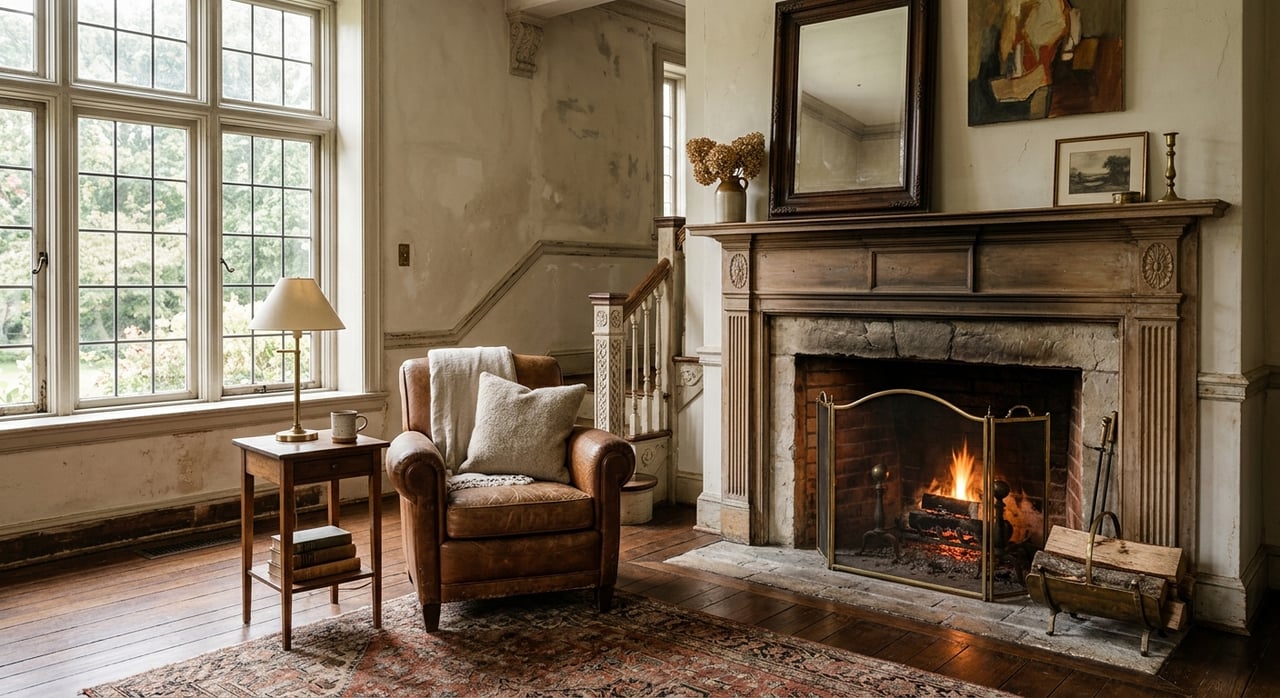
Many Bexley buyers fall in love with the details first. In renovated historic homes, original elements often include glass doorknobs, arched doorways, formal dining rooms, fireplaces, studies, back stairwells, built-ins, and pantry conversions.
These features can give a home warmth that is hard to replicate in newer construction. They also create a sense of craftsmanship and identity that many buyers want, especially if you are hoping for a home that feels collected and unique rather than purely turnkey.
At the same time, character can show up in ways that affect function. Formal room divisions, smaller baths, narrower doorways, and older circulation patterns may feel very different from the open layouts many buyers are used to seeing today.
Why some floor plans feel different
If you are coming from newer homes, Bexley floor plans may surprise you. Many original layouts were designed around separate public rooms instead of one large open living area, so kitchens, dining rooms, and living rooms often serve more defined purposes.
That does not mean they are less livable. It simply means the home was built around a different style of everyday use, and you may need to think carefully about how your household wants to live.
Some renovated homes have already adapted to modern preferences. Based on local house histories and catalog-home research, buyers often find updates that open kitchens, combine bedrooms, or add a primary suite while keeping the original formal rooms intact.
Smaller homes can still be highly functional
Not all Bexley character homes are large. Research on Sears catalog homes in Bexley shows many were designed as 3-bedroom, 1-bath homes of about 1,000 to 1,400 square feet, often for 40-foot lots.
These homes can feel compact, but they were often designed with useful built-in features. Common elements included built-in china cabinets, closets in every bedroom, dining nooks, telephone niches, garages, and porches.
That functional design still matters today. If you are open to a smaller footprint, you may find that a well-planned historic home lives better than the square footage suggests.
How to judge updates in a historic home
When you tour a Bexley home, it helps to look for a balance between preservation and practicality. In many cases, the most appealing houses are the ones that keep original details intact while making thoughtful updates to circulation, kitchens, baths, or storage.
A good update usually feels consistent with the home’s original character. Instead of stripping out everything old, it respects the home’s bones and improves how the space works for modern living.
Documentation matters too. For many buyers, a strong purchase is not just about beautiful finishes, but also about understanding what major work has already been completed and whether it was done with clear approvals and planning.
Why permits matter in Bexley
In Bexley, future projects may involve more review than buyers expect. The city’s Building and Zoning Department states that permits are required for HVAC, electrical and plumbing work, remodeling and additions, demolition, driveways, fences, sidewalks, pools, and hot tubs.
Many exterior changes are also reviewed before a permit is issued. According to the city’s review table, replacement windows, siding, and standard roof replacements go through design review, while additions, porch enclosures, demolitions, and new single-family homes require Architectural Review Board approval.
For you, this means renovation plans should be part of your buying strategy from the start. If you hope to replace windows, enclose a porch, change a roofline, or expand the house, timeline and budget may be shaped as much by city review as by the contractor’s schedule.
Due diligence for older Bexley homes
Historic charm should always be paired with careful due diligence. Beyond the usual inspection process, older homes call for a closer look at prior renovations, system updates, window replacement history, and documentation for major work.
Lead paint is another practical consideration. The EPA states that most housing built before 1978 may contain lead-based paint, and buyers of most pre-1978 homes have the right to know whether lead-based paint hazards are present before signing.
This is especially important if you plan to renovate soon after closing. Renovation work can create dangerous lead dust if lead is present, so understanding the home’s age and known conditions is part of buying wisely.
What modern buyers should prioritize
If you love Bexley’s character homes, it helps to focus on the features that are hardest to recreate later. Original millwork, doors, built-ins, fireplaces, room proportions, and exterior architecture often add long-term appeal that is difficult and expensive to replicate.
From there, think about what can be improved over time. Kitchens, baths, lighting, storage, and layout adjustments may be more manageable than trying to restore lost character or correct poorly handled exterior changes.
In practical terms, many style-conscious buyers are happiest with a home that offers three things:
- Intact original character
- A few smart, livable updates
- Clear records for major work already completed
That combination often gives you the best of both worlds. You can enjoy the charm that drew you to Bexley in the first place while stepping into a home that supports modern life.
The real appeal of Bexley character homes
The best way to think about Bexley is not old house versus new house. The stronger comparison is historic character with modern livability.
That is where Bexley stands out. You get architectural variety, meaningful original details, and a city framework that still treats exterior change seriously, which helps preserve the feel that attracts buyers in the first place.
If you are shopping here, the goal is not to find perfection on day one. It is to find the home whose style, condition, and future potential align with how you want to live now and what you want to protect over time.
If you are thinking about buying a character home in Bexley, working with a team that understands both lifestyle fit and long-term resale can make the process feel much clearer. When you are ready to talk through neighborhoods, home styles, or what to look for during showings, Margot Laumann would love to help.
FAQs
What counts as a character home in Bexley?
- In Bexley, character homes typically refer to older houses, often from the early 20th century, with recognizable architectural style, original details, and historic design features.
What architectural styles are common in Bexley homes?
- Buyers in Bexley may see Tudor, French, classical revival, cottage style, Cape Cod, Colonial Revival, Georgian, Dutch Colonial, Arts & Crafts, American Four-Square, and other revival-style homes.
Do Bexley character homes usually have open floor plans?
- Many original Bexley homes were designed with separate public rooms rather than large open layouts, though some have been renovated to open kitchens, combine bedrooms, or add a primary suite.
Do you need permits for home updates in Bexley?
- Yes. Bexley requires permits for many types of work, including HVAC, plumbing, electrical, remodeling, additions, driveways, fences, sidewalks, pools, and hot tubs, and many exterior changes also go through review.
What should buyers check before buying an older Bexley home?
- Buyers should look closely at the condition of original features, the quality of updates, records for major work, permit history where applicable, and whether there are known lead-based paint hazards in pre-1978 homes.
Are smaller historic homes in Bexley still practical for modern buyers?
- Yes. Many smaller Bexley homes were designed efficiently, with features like built-ins, closets, dining nooks, garages, and porches that can make a compact footprint feel highly usable.
