If you want suburban convenience without giving up walkability, parks, and a lively community calendar, Dublin, Ohio, is worth a close look. For many buyers and relocators, the challenge is finding a place that feels practical for daily life but still offers character and variety. Dublin stands out because it blends established neighborhoods, newer mixed-use living, strong connectivity, and an active riverfront core. Let’s dive in.
Dublin at a glance
Dublin is a suburban city northwest of Columbus with an estimated 49,456 residents according to Census QuickFacts. The city covers 24.80 square miles and offers direct access to major roads, which helps explain why it remains a popular choice for people who want suburban living with regional convenience.
The city’s community profile also points to a household base that is largely established and family-oriented. Dublin’s 2023 Community Health Needs Assessment reports 17,344 households, an average household size of 2.8, and 45.2% of households with children. That same report shows a median household income of $143,533, which gives you useful context for the local housing market and overall cost expectations in the area.
The overall feel of Dublin
Dublin feels polished, well-planned, and highly functional. In everyday life, that often means you have access to neighborhood amenities, parks, shopping, and community events without needing to drive far for every errand or activity.
What makes Dublin especially distinct is that it is not just one thing. You will find traditional suburban residential areas, but you will also find a more walkable mixed-use environment around Historic Dublin and Bridge Park. That mix gives the city a broader lifestyle range than many nearby suburbs.
Housing options in Dublin
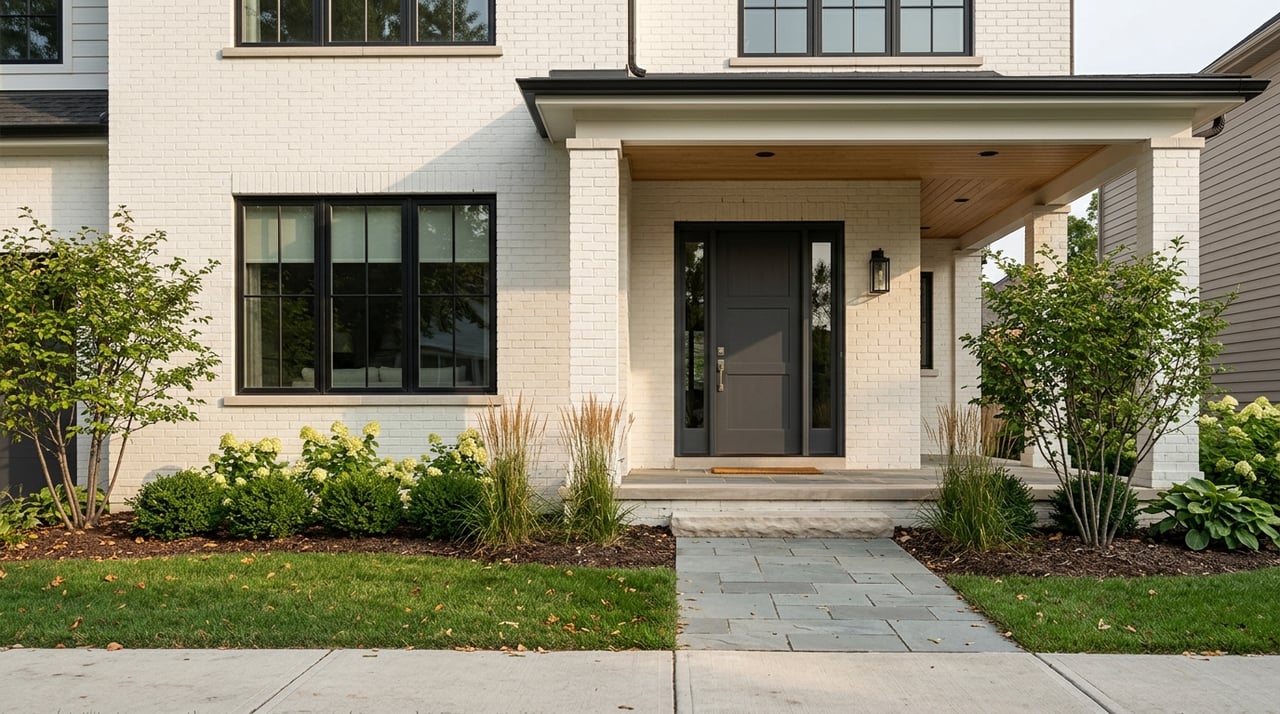
If you picture Dublin as rows of single-family homes, that is only part of the story. The city’s future land use plan notes that Dublin’s residential pattern has long been defined by single-family homes, often on lots around a quarter acre. For many buyers, that means established neighborhoods with a classic suburban layout and more separation between homes than you may find closer to Columbus.
At the same time, Dublin has expanded its housing mix. The same planning framework allows for mixed residential and urban-core development, including multiple-family homes and more walkable neighborhood design. If you want lower-maintenance living or a more connected lifestyle, those options are part of the picture too.
Bridge Park and newer mixed-use living
Bridge Park is the clearest example of Dublin’s newer style of development. The city describes it as a 30-acre walkable mixed-use community along the Scioto River with condos, townhomes, apartments, restaurants, shops, entertainment venues, hotels, offices, green spaces, and more than 2,000 free parking spaces.
If you want to be close to dining, events, and riverfront activity, this area offers a very different experience from a traditional subdivision. It tends to appeal to people who want a more urban feel while still staying in a suburban community.
Historic Dublin and the riverfront
Historic Dublin adds another layer to the city’s identity. It serves as the founding core and connects naturally to newer destinations along the river. The city’s Riverview Village project is also expanding the walkable riverfront environment with space for businesses, nonprofits, startups, and events near the Dublin Link.
For buyers, that means Dublin offers more than just residential streets. It has a recognizable center of gravity where people gather, walk, dine, and spend time outdoors.
Parks and outdoor life
One of Dublin’s strongest lifestyle advantages is its park system. The city reports more than 1,136 acres of developed parkland, 178 acres of undeveloped parkland, 64 developed parks, and over 154 miles of bikepath. That is a meaningful part of daily life here, not just a nice extra.
If you enjoy walking, biking, or spending time outside, Dublin makes that relatively easy. The bikeway system is designed to connect schools, parks, shopping areas, civic uses, neighborhoods, and employment centers, which supports a more connected routine across the city.
Riverside Crossing Park and Dublin Link
Two of the city’s most visible outdoor features are Riverside Crossing Park and the Dublin Link. Riverside Crossing Park is a major public destination near Historic Dublin and Bridge Park, with scenic views and regular community use. The Dublin Link pedestrian bridge stretches 760 feet across the Scioto River and helps tie the riverfront districts together.
These spaces shape the way Dublin feels. Instead of isolated pockets of activity, the city has invested in connected public places that encourage walking and community use.
Commute and getting around
Dublin works especially well for people who want access to Columbus while living in a suburban setting. The city says it is about 20 minutes from downtown Columbus and John Glenn Columbus International Airport, and its location near I-270, U.S. 33, and S.R. 161 is a major part of its appeal.
For most residents, driving is still the main way to get around. City planning materials note that transit options remain more limited than driving, though the city continues working on walking, biking, and transit alternatives.
Public transit is available, but it is more of a supplement than a primary transportation mode for many households. COTA Route 73 connects several Dublin park-and-ride locations with downtown Columbus during rush hour, and COTA Connector provides regional on-demand service.
Schools and what buyers should know
For many buyers, schools are part of the Dublin conversation. A key point to understand is that city boundaries and school district boundaries are not the same. According to Dublin City Schools, the district serves more than 16,000 students across 47 square miles and includes parts of Dublin, Columbus, Hilliard, and Upper Arlington.
The district includes a preschool, 15 elementary schools, five middle schools, three high schools, and a specialty secondary campus. Just as important, the district notes that a mailing address or ZIP code does not determine school assignment. District boundaries set by the state do.
If school assignment is a major factor in your home search, it is smart to verify the specific property’s school attendance details early in the process rather than relying on the city name alone.
Events and community rhythm
Dublin has a busier community calendar than many people expect from a suburb. Signature annual events include the Dublin Irish Festival, the Memorial Tournament at Muirfield Village Golf Club, and the St. Patrick’s Day Parade through Metro Center and Historic Dublin.
Beyond the large annual events, the city regularly hosts happenings that add energy to weekly life. The Dublin Market at Bridge Park, Food Truck Wednesdays, and summer music and cinema series at Riverside Crossing Park all contribute to a stronger sense of community activity throughout the year.
For many residents, this is part of what makes Dublin feel more dynamic than a purely residential suburb. There is a clear local rhythm to the city, especially around the riverfront and mixed-use districts.
Who Dublin may fit best
Dublin can work well for a range of buyers, but it tends to stand out most if you want a combination of these traits:
- Suburban neighborhoods with established housing options
- Access to newer condos, townhomes, or mixed-use living
- Extensive parks, paths, and outdoor spaces
- Convenient highway access to Columbus and the airport
- A city with regular events and a visible community center
It may be especially appealing if you want flexibility in how you live. Some buyers are drawn to traditional single-family neighborhoods, while others prefer the walkability and activity near Bridge Park and Historic Dublin.
What to consider before moving to Dublin
Like any move, Dublin comes with tradeoffs. It is largely auto-oriented, even with the city’s growing investment in walkability and bike access. Depending on your lifestyle, you may still find yourself driving often for work, errands, or activities.
It is also important to remember that Dublin offers several distinct living environments. The experience of living near the riverfront mixed-use districts is different from living in a more traditional residential area. That is why it helps to look beyond the city name and focus on which part of Dublin best fits your day-to-day goals, budget, and long-term plans.
Final thoughts on living in Dublin
Dublin offers a compelling blend of suburban ease, outdoor access, and a more active community core than many nearby suburbs. You get established neighborhoods, newer housing choices, major park and path connections, and a location that makes Columbus feel close at hand.
If you are considering a move to Dublin, the most important step is understanding which part of the city matches the way you want to live. If you want help comparing neighborhoods, evaluating resale potential, or narrowing down the right fit, Margot Laumann would be glad to help.
FAQs
What is the general lifestyle like in Dublin, Ohio?
- Dublin offers a suburban lifestyle with established neighborhoods, extensive parks and bikepaths, convenient highway access, and a more walkable riverfront core around Historic Dublin and Bridge Park.
What types of homes can you find in Dublin, Ohio?
- Dublin includes many single-family homes in traditional suburban neighborhoods, along with condos, townhomes, apartments, and mixed-use residential options in areas like Bridge Park.
What should homebuyers know about Dublin City Schools boundaries?
- Dublin City Schools serves a broader area than just the City of Dublin, so school assignment depends on state-established district boundaries rather than a home’s mailing address or ZIP code.
How easy is commuting from Dublin, Ohio?
- Dublin offers strong road access near I-270, U.S. 33, and S.R. 161, and the city states it is about 20 minutes from downtown Columbus and the airport, with limited but available public transit options.
What makes Dublin, Ohio different from other Columbus suburbs?
- Dublin stands out for combining traditional suburban neighborhoods with a more active mixed-use center, plus a large park system, riverfront destinations, and a robust calendar of community events.
